TL;DR
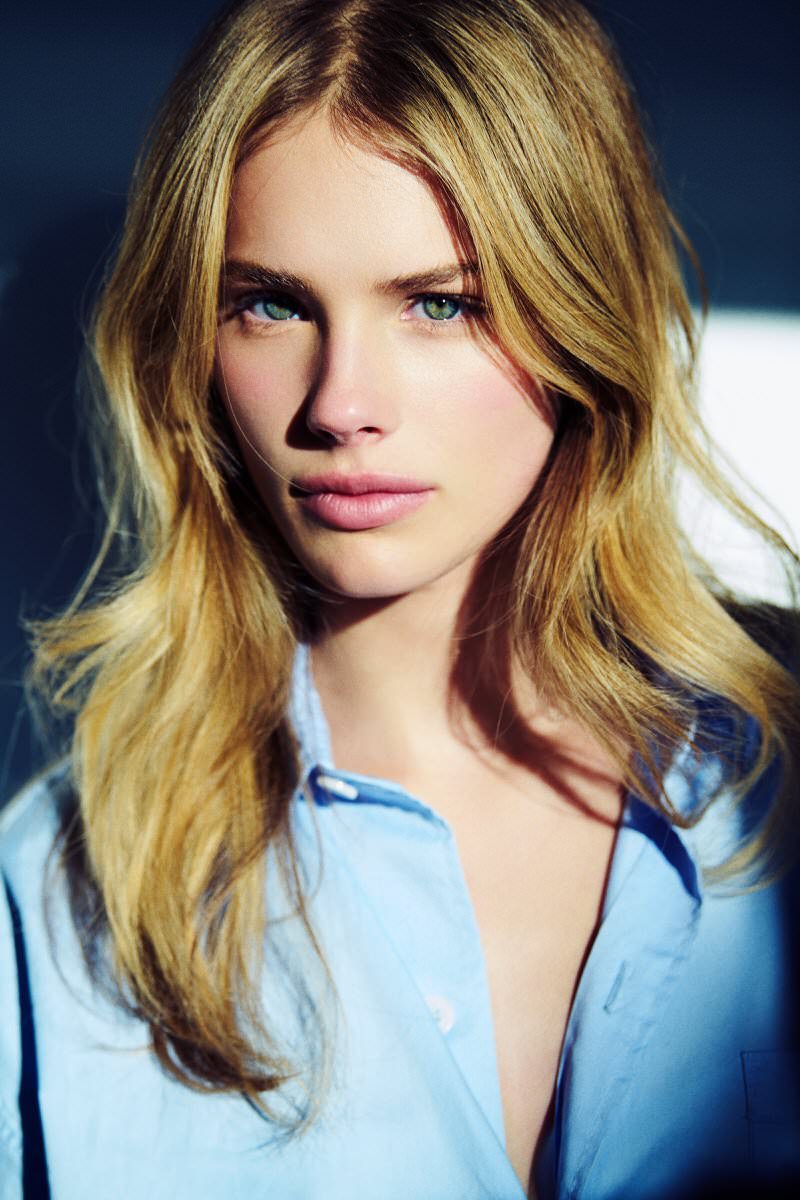
- I build portfolios as decision tools for agencies and casting teams, not as over-produced highlight reels.
- The process is shaped by over a decade across editorial, commercial, and model-development environments.
- My testing context spans New York, Paris, and Australia across agency ecosystems including IMG, The Society, Elite, NEXT, Wilhelmina, New York Models, Ford, and others.
- The aim is simple: images that read clearly, represent truthfully, and improve the model’s chances of being considered.
The difference between pretty and useful
A model portfolio should answer professional questions quickly.
Can this talent deliver range? Do they photograph consistently? Do they feel current? Are they right for this market?
That is why I treat portfolio development as strategy, not content production. A beautiful image is easy to make. A useful image — one that helps a model move forward — requires structure, restraint, and intent.
How I structure a model book
When I develop a portfolio, I build from agency utility first, then creative range.
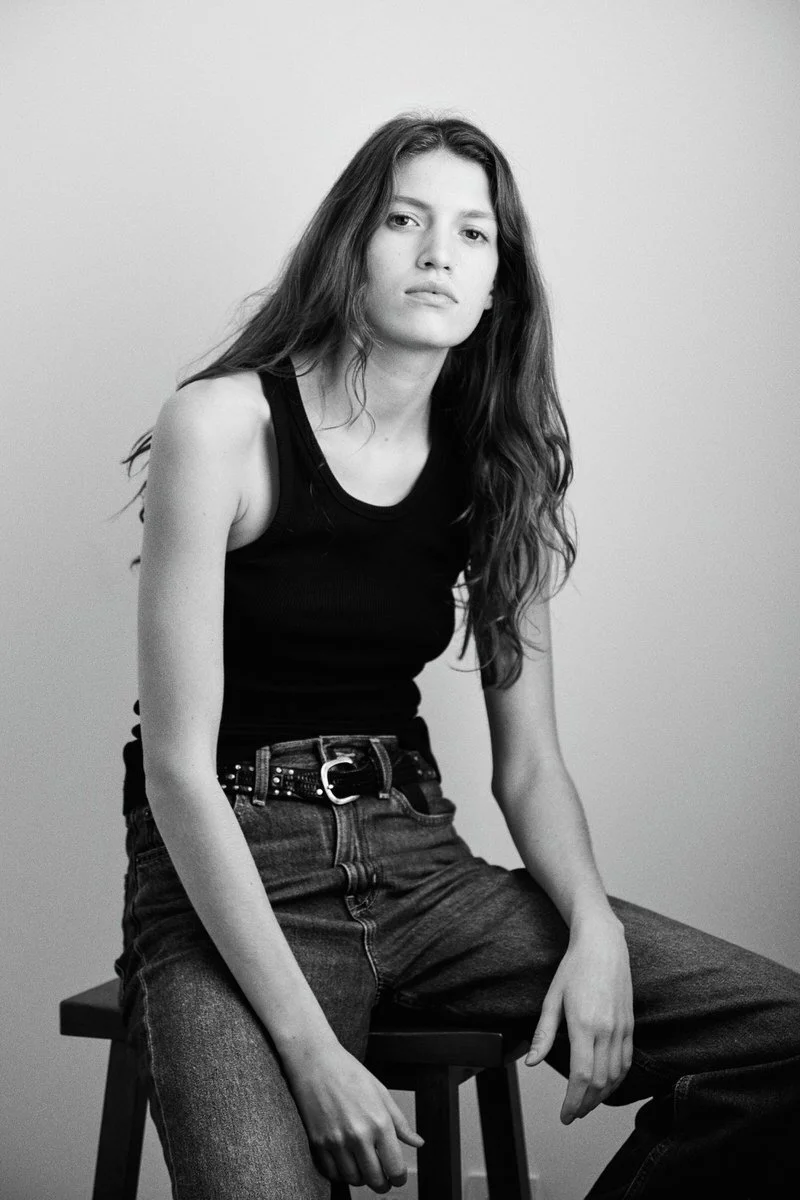
- Clarity first: clean frames that show face, proportions, movement, and presence without distraction.
- Sequencing with purpose: images are ordered so the story reads as one coherent body of work, not a random set of looks.
- Direction over posing: I coach expression, line, and energy so images feel natural but intentional.
- Retouching discipline: enough polish for professionalism, never so much that the model no longer looks like themselves.
This is the difference between a portfolio that gets compliments and one that gets shortlisted.
The standard behind the work
I’ve spent over a decade working across editorial, commercial, and model-development environments.
My approach has been shaped through testing and production contexts connected to New York, Paris, and Australia, including agency ecosystems such as IMG, The Society, Elite, NEXT, Wilhelmina, New York Models, Ford, and others.
That international context matters because agency expectations are specific. The benchmark is not “does this look cool?” The benchmark is “does this model read clearly and competitively in a real submission environment?”

Brand and editorial crossover
Alongside model development, I’ve worked with clients and titles including Coach, Redken, Adidas, R.M. Williams, Elle, Harper’s Bazaar, GrittyPretty, Aje, Bassike, Acler, Porsche, and David Yurman.
This crossover keeps testing grounded in commercial reality: what brands brief for, what editors select, and what decision-makers respond to under time pressure.
In practice, it means model books that stay clean and agency-relevant while still carrying enough personality to stand out.
Who this is for
If you are:
- Building a first portfolio,
- Resetting an existing book,
- Updating for agency/casting windows, or
- Preparing for scouting submission,
the process is scoped to your stage, market goals, and timeline.
Next step
Choose the pathway that matches where you are now: