In brief
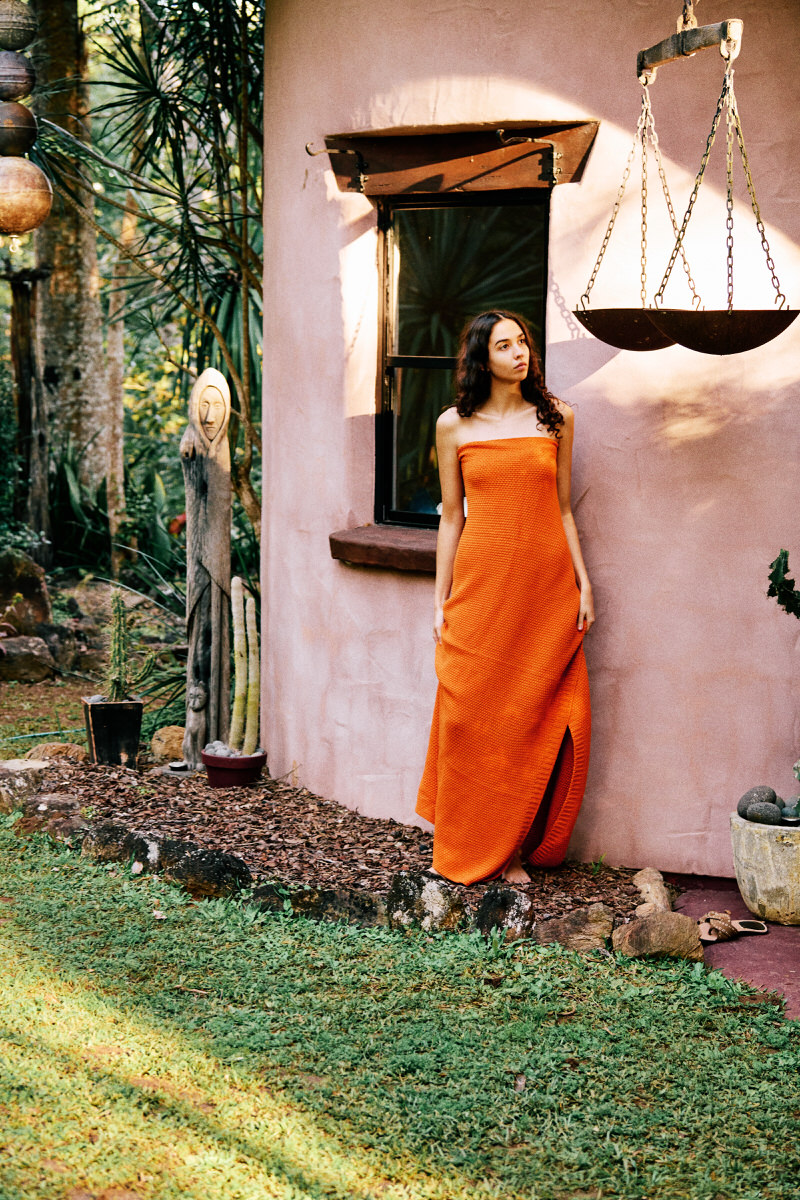
- A 12-image editorial portrait story photographed with Naomi Harron in a small house surrounded by subtropical garden.
- The sequence moves from window light and quiet interiors into the garden, then closes beside a fire after dark.
- The shoot shows how one simple location can create a cohesive story with enough range for an editorial, campaign treatment, or portfolio update.
- Words and photography: Dave Blake · Muse: Naomi Harron.
The Hours Between began as a test shoot with Naomi Harron in a small rendered house wrapped by subtropical garden. We did not arrive with a campaign deck or a character to act out. The idea was simpler: give the day enough room to become a story.
Rather than photograph a sequence of disconnected looks, we followed one loose rhythm — room, window, doorway, garden, fire. The changing light did most of the art direction. Naomi gave it its centre.
Words and photography: Dave Blake
Muse: Naomi Harron
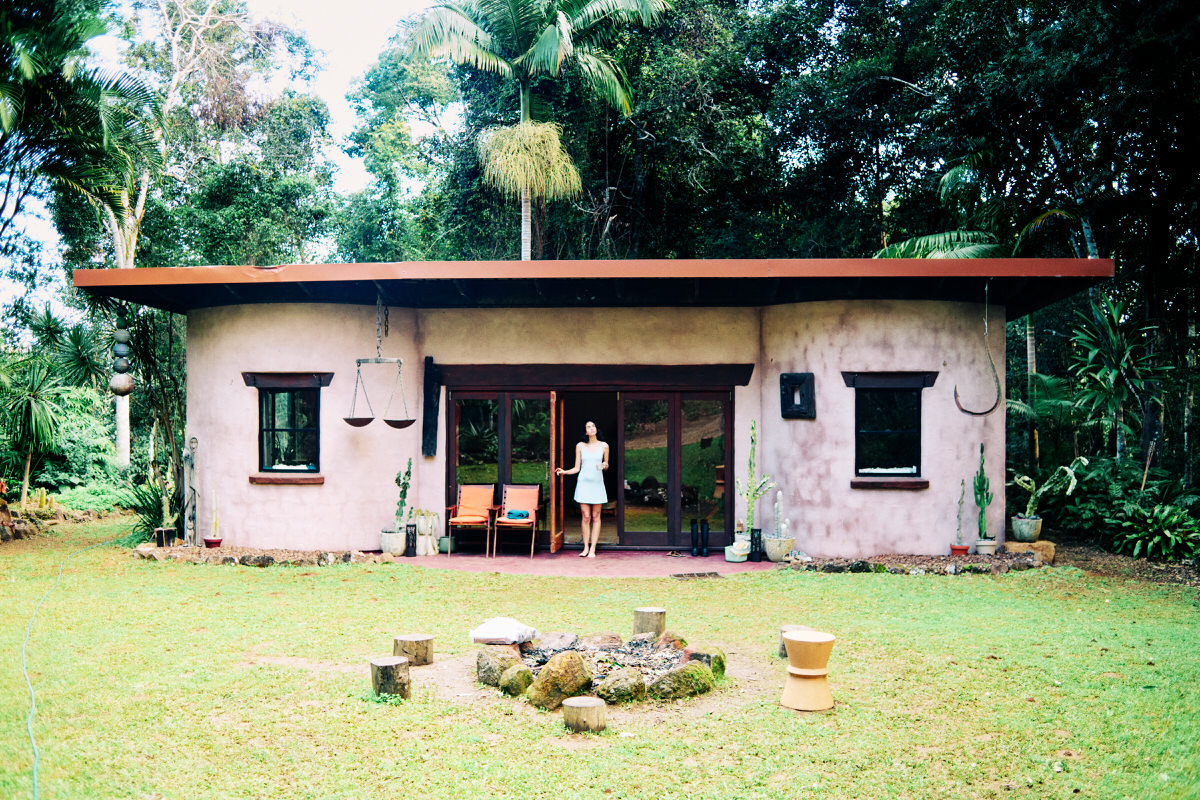
In the story, Naomi opened the window before she put down her bag. It was a habit inherited from her mother, who believed a room should be told when you had arrived.
The latch resisted. Then the frame lifted with a tired wooden sound and the garden entered all at once: wet leaves, an unfamiliar bird, the mineral smell of the path after rain.
She had booked the house for one night because one night sounded uncomplicated — a place between the long drive north and the familiar street where her sister still lived. Between the questions she had prepared and the ones she hoped would not be asked.
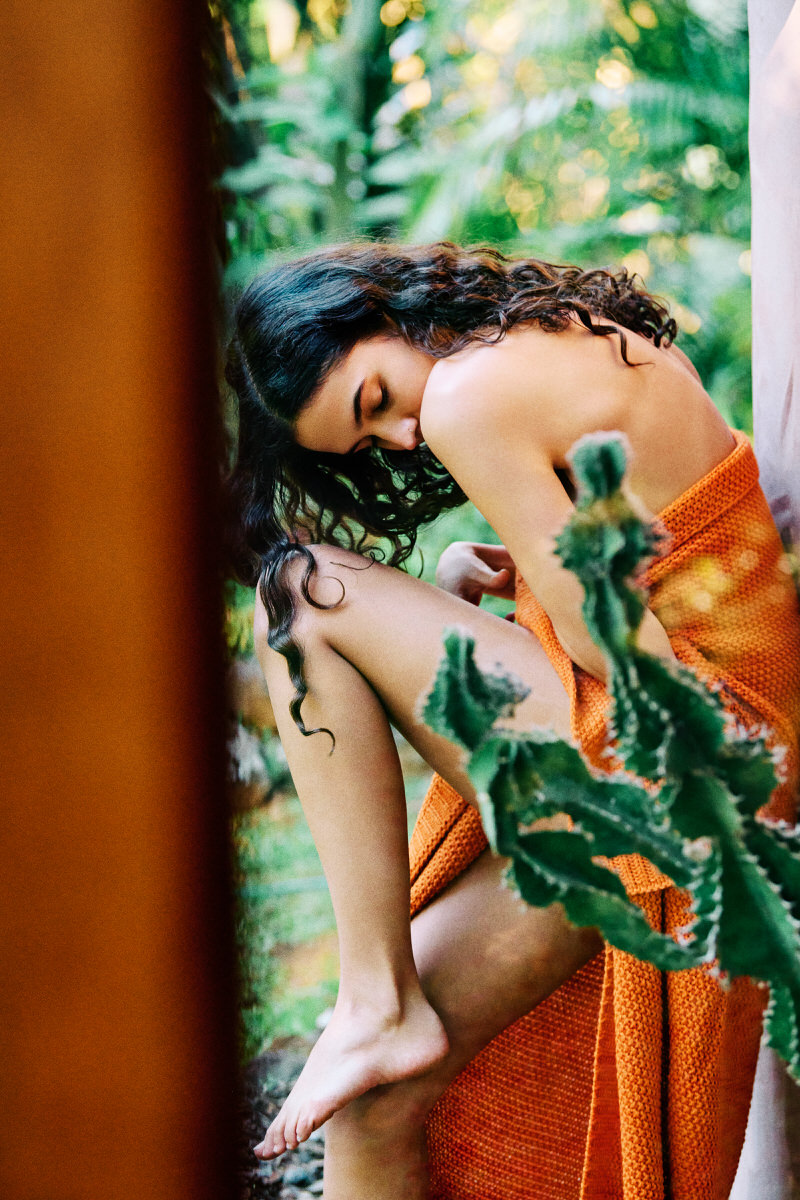
Her birthday had been the day before. There had been cake eaten standing at a kitchen bench, a small procession of messages, and a candle that refused to stay lit near the open door. She answered each person with affection and, by evening, wanted to hear nothing that required a reply.
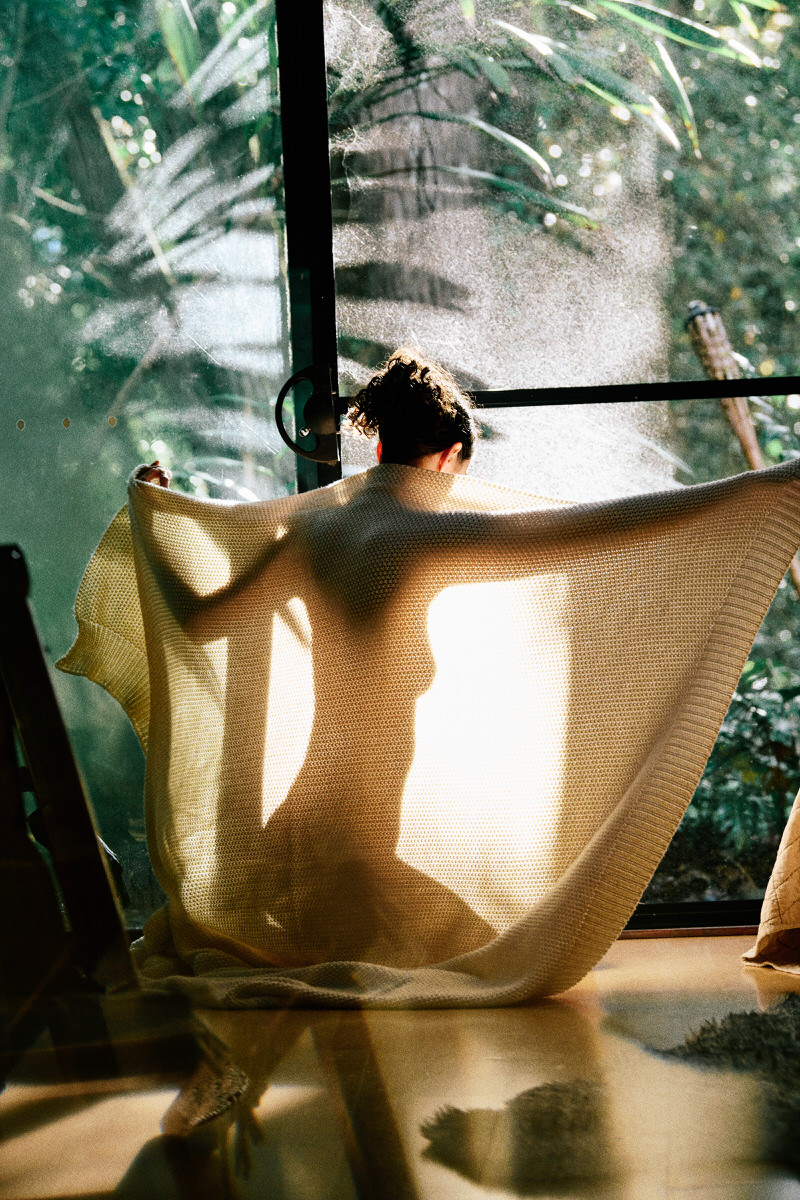
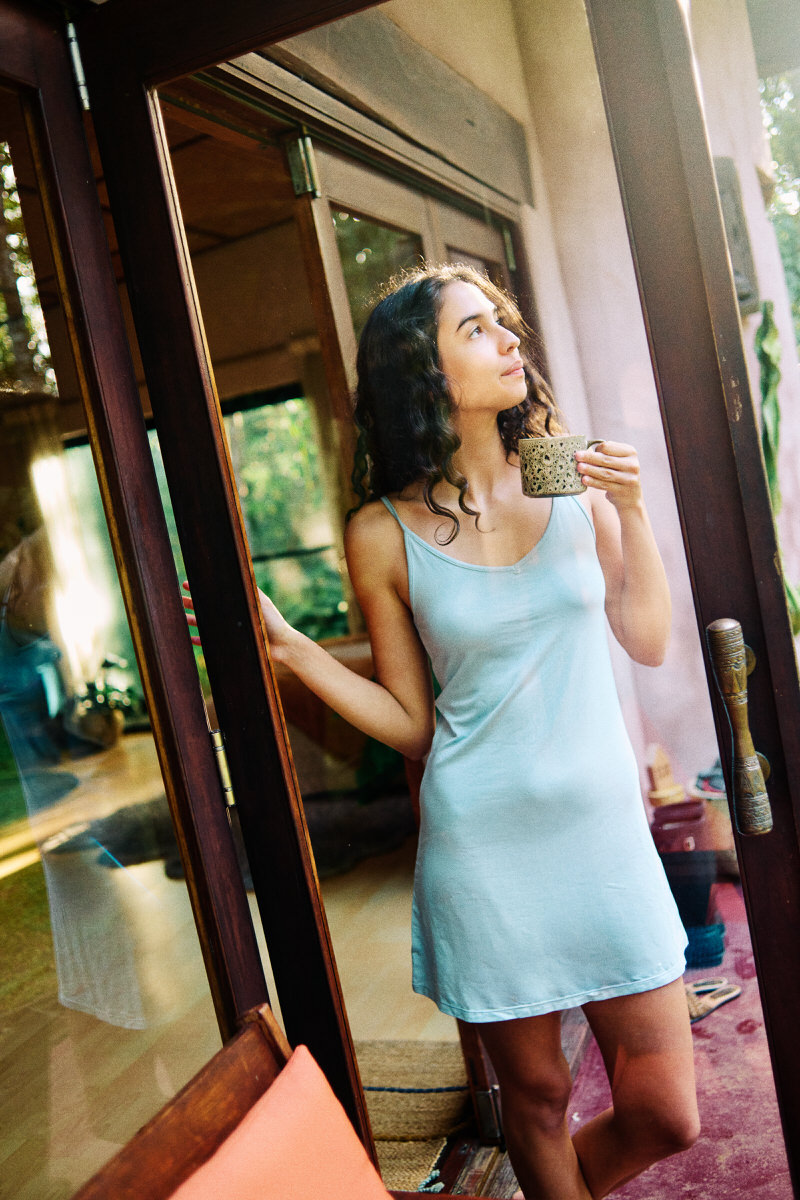
On a chair beneath the window was a pale knitted blanket. Naomi shook it once, more from ritual than necessity, and held it across her shoulders. Sunlight came through the glass in pieces: fern, branch, hand, face. For a moment, the fabric appeared to be wearing the garden.
Her phone lit on the floorboards. No name was needed; her sister had always written as though they were halfway through a conversation, even after months of silence.
Naomi found a ceramic cup in the cupboard and filled the kettle only as far as she needed. While the water heated, she unpacked without committing to the room. Toothbrush by the sink. Blue dress over the back of a chair. Book on the bed, face down at the same page she had been reading for three weeks. The bag remained open.
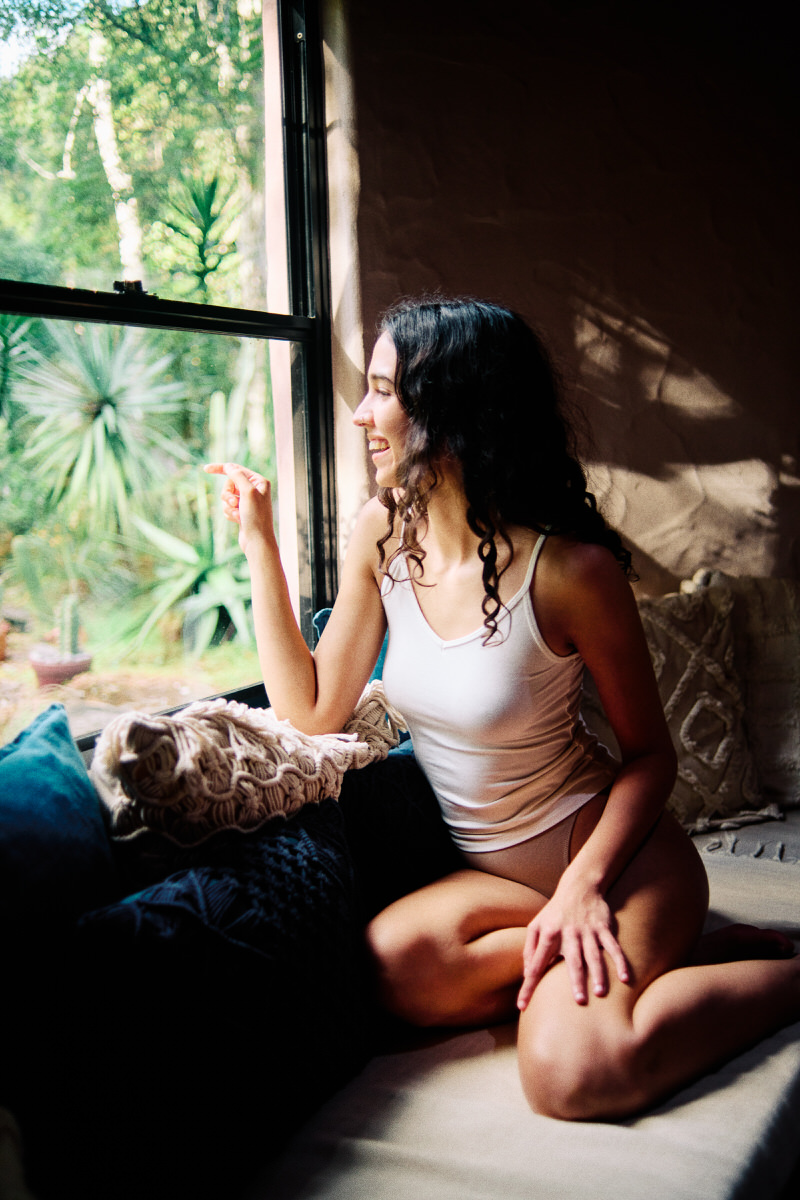
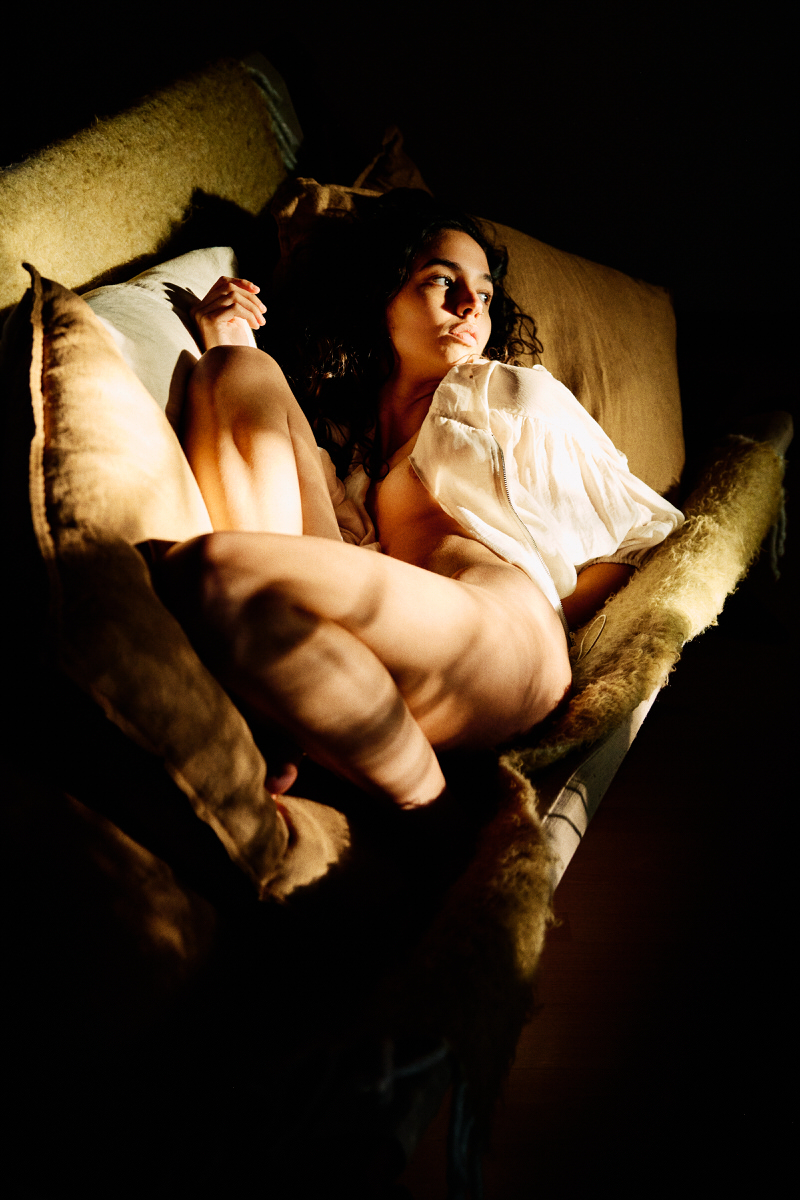
The strongest portrait editorials do more than repeat a single successful frame. They give an editor options without losing the thread: a clear opener, a wider scene-setter, close portraits, quieter transitions and an image that can close the story.
For Naomi, the same range has value in a portfolio. The photographs move from observed moments to direct portraiture, from warm colour into black and white, and from soft daylight to something more graphic. Her presence holds those shifts together.
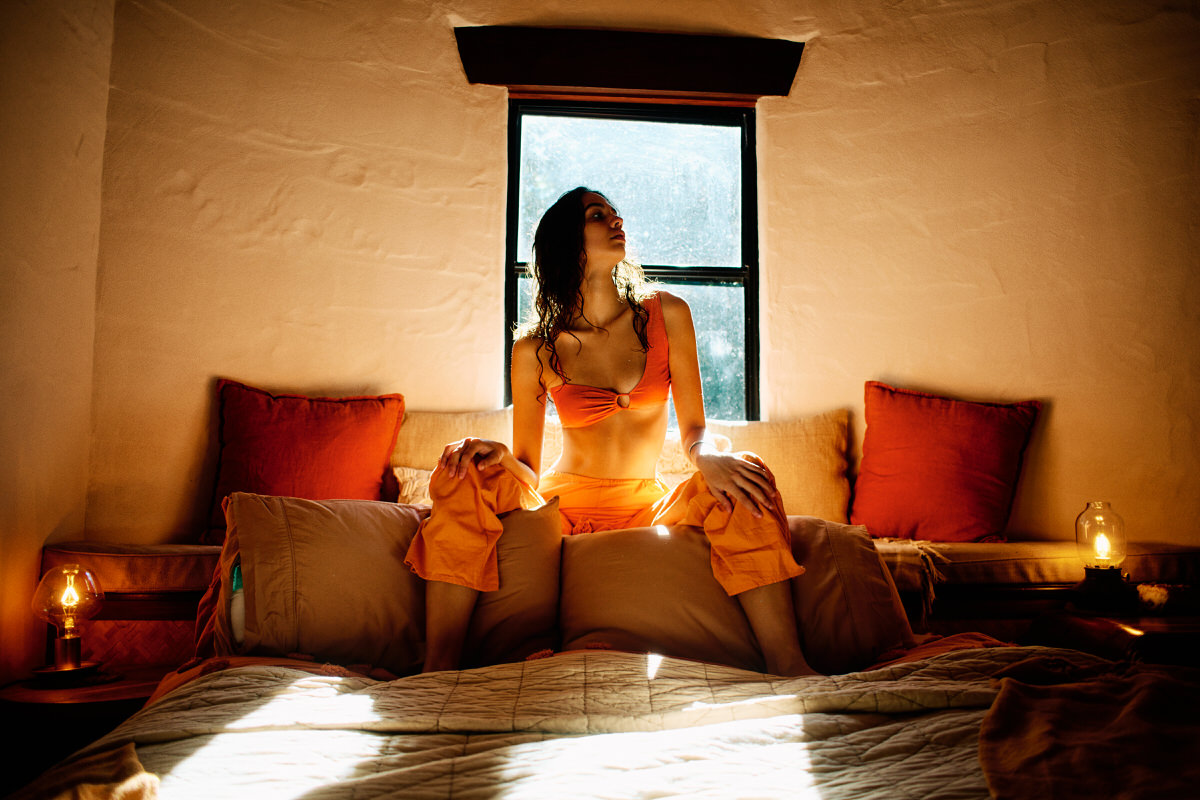
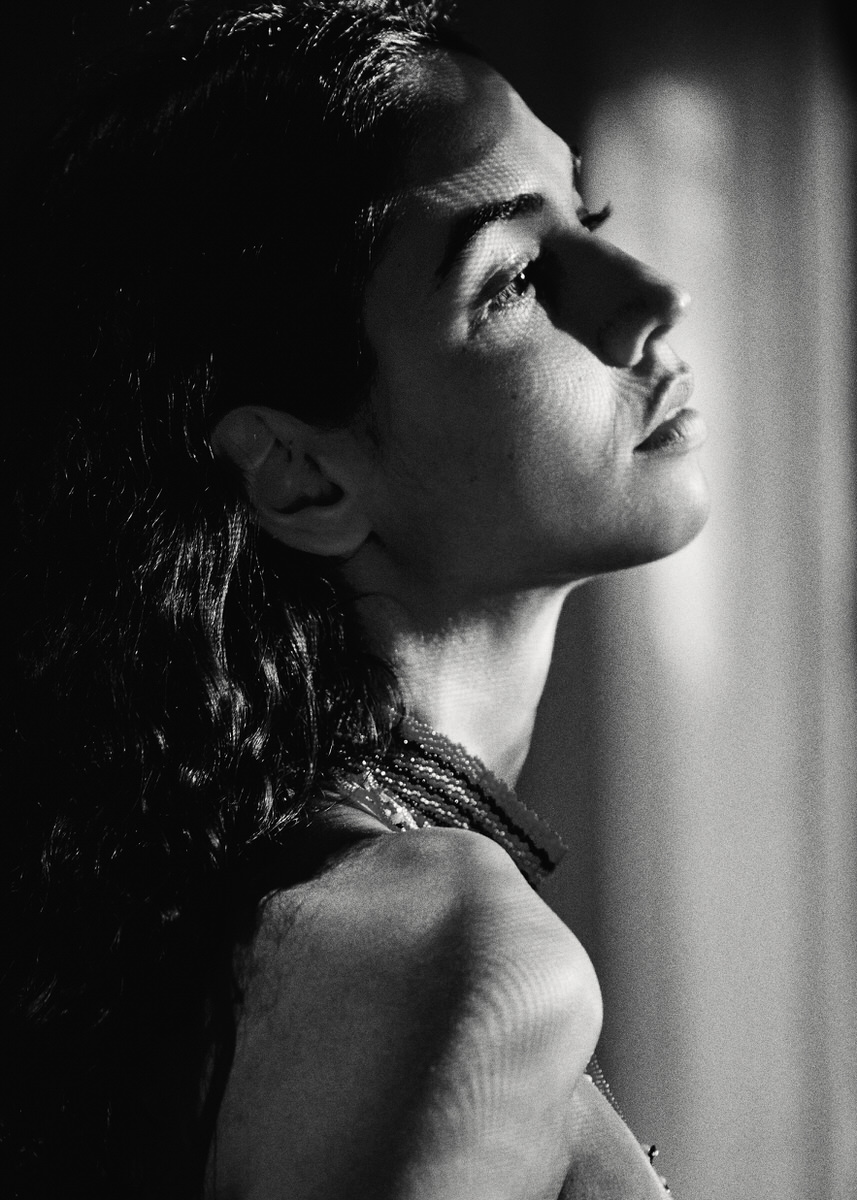
On paper, the months ahead looked decisive. Here they felt more like several doors left gently ajar.
Outside, something small moved through the undergrowth. The house answered with its own sounds: a pipe settling, the soft click of metal cooling, leaves brushing the roof. None of it asked her to explain herself.
Naomi drank by the doorway and watched the light withdraw from the wall. Then she stepped into the garden, where the blue of her dress moved in and out of the green until both belonged to the same frame.
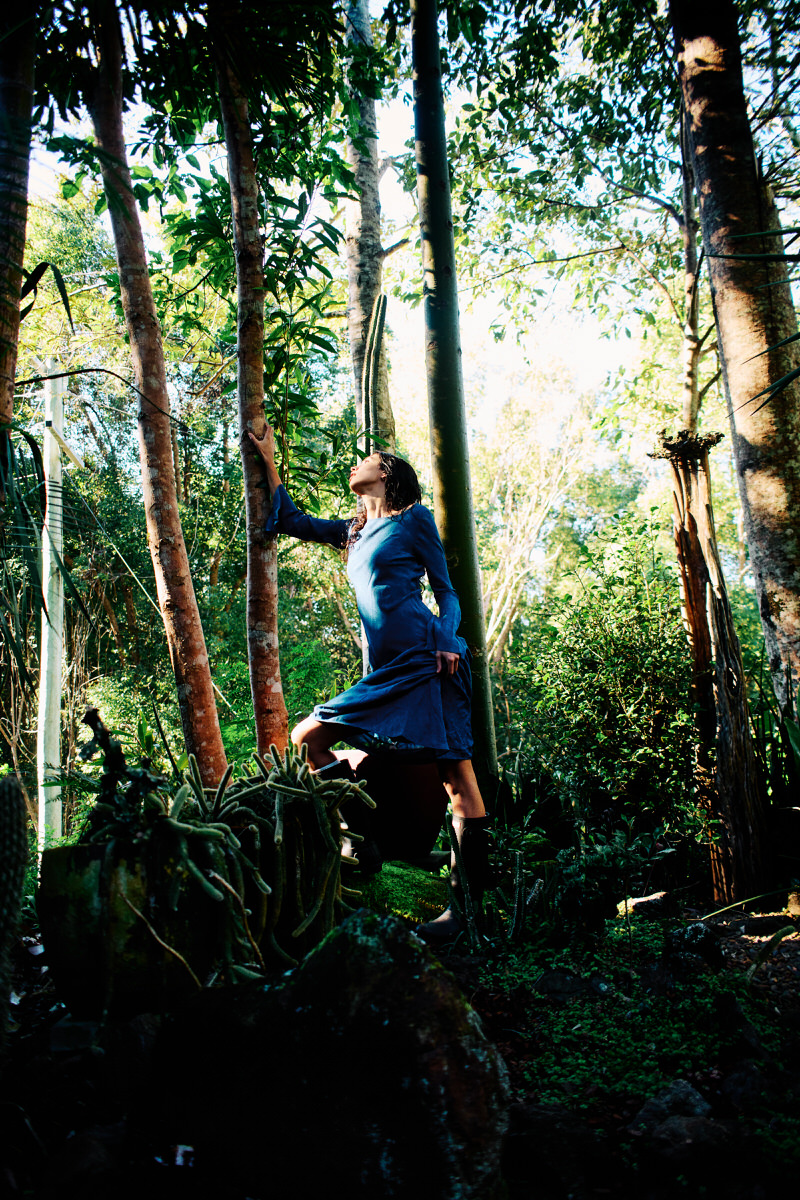
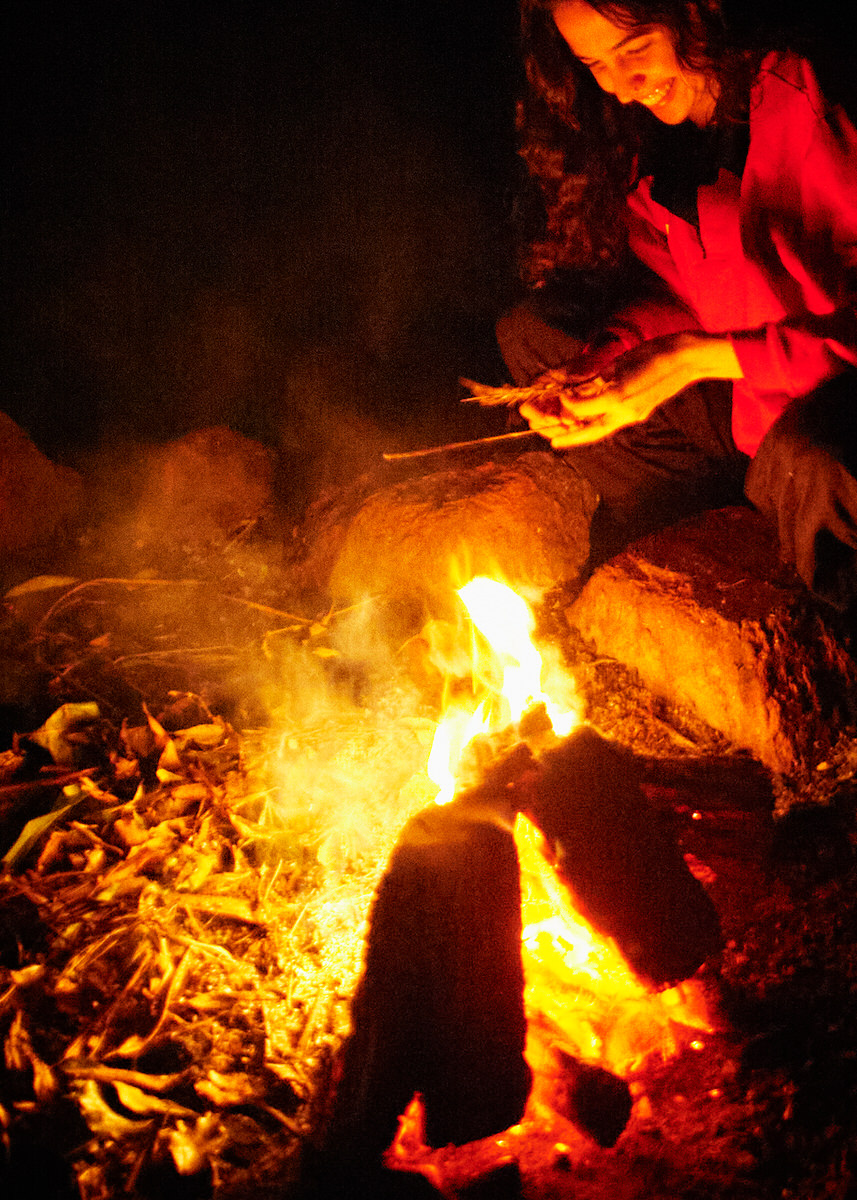
She carried her tea outside with cheese and dried figs, warming them beside a small fire made from the wood stacked beneath the eaves. It smoked, caught, then quietened. She stayed until the last orange moved beneath the ash.
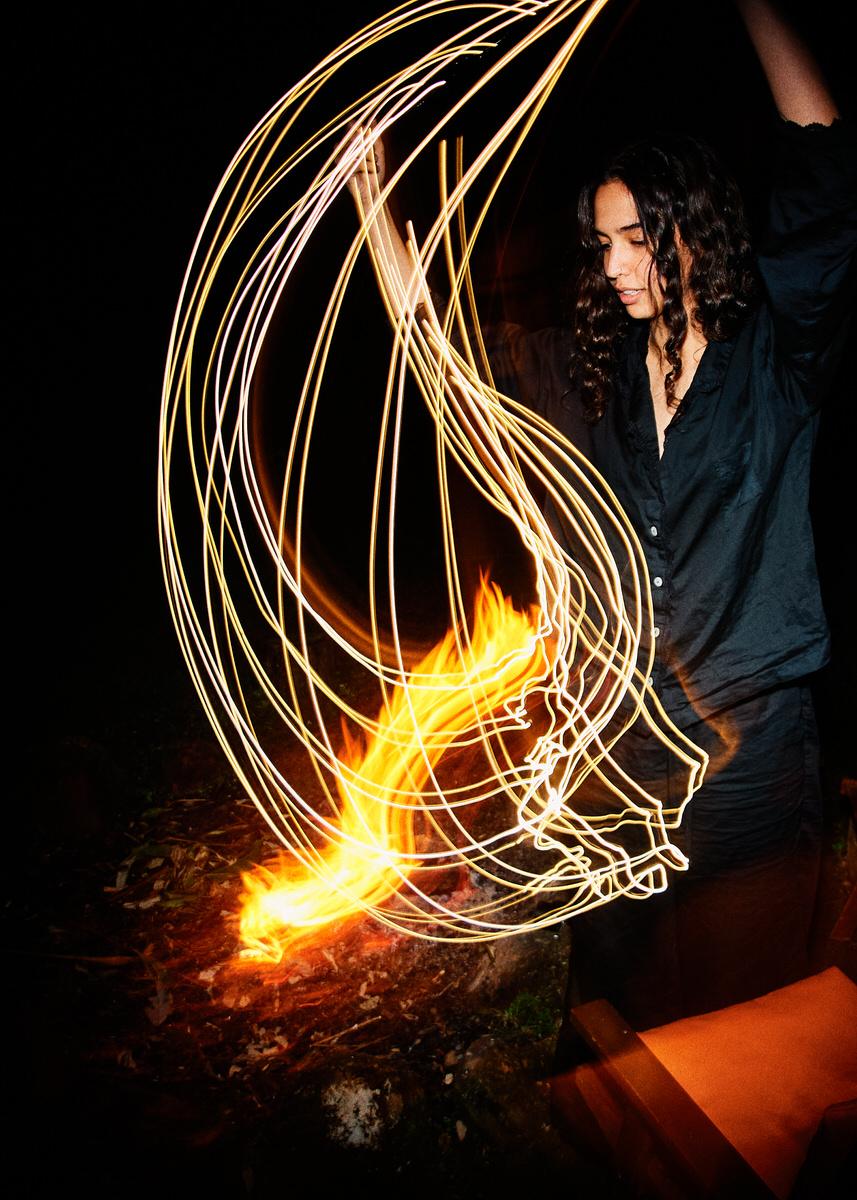
The final photographs needed a different way of seeing. Daylight had described the house; darkness reduced it to gesture, fire and movement. The slow shutter turned a small spark into a line drawn through the night.
In the morning she left the window open by the width of two fingers.
That small detail is what I want the series to keep: the feeling that something happened before the first frame and will continue after the last. It is also what I look for in editorial commissions, visual stories for brands, and portfolio shoots — a clear idea with enough freedom for the person, place and changing light to surprise us.